%20(1).webp)
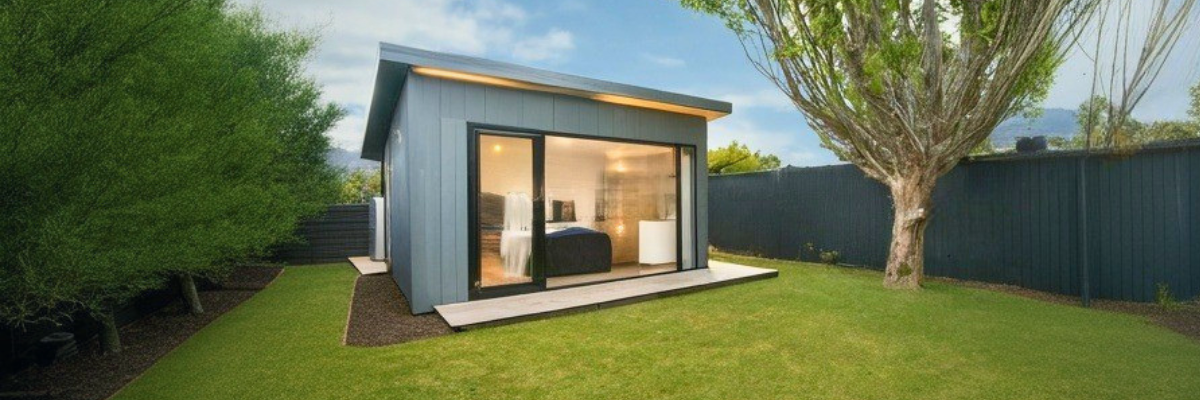
Since 15 January 2026, new nationwide rules have made it easier to build a small, detached unit (granny flat), sometimes without a resource consent, and sometimes without a building consent. It’s a great step forward, but “no consent” doesn’t mean “no rules” and it doesn’t mean “no council involvement”. What you can do depends on your site and your design.
If it’s a straightforward site and a simple 70m² build, the new rules may make things much easier. If anything is complex, unusual, or hazard-related, get advice early, it’s usually cheaper than fixing it later.
The key thing to know is that there are two separate rule books you need to check:
You may qualify under one set of rules but not the other, so it’s worth checking both early.
In many cases, you can build ONE detached minor residential unit (often called a granny flat) without a resource consent, as long as it meets the national standards and your property is in an eligible zone (typically residential, rural, mixed-use, or Māori purpose zones).
A quick way to sanity-check whether you’re likely to fit the standards is to run through these basics:
If you meet these standards, it can simplify things a lot — in particular, some of the typical “amenity-style” rules councils often apply to minor dwellings (like parking, privacy/sunlight, or glazing requirements) generally won’t be applied to the granny flat itself.
That said, it’s still important not to assume you’re automatically in the clear. Even if the granny flat is “permitted”, you may still need to comply with district plan or regional rules relating to things like:
If your site has hazards, lots of overlays, or anything unusual, it’s smart to talk to a planner before you lock in a design.
Separately, some granny flats can be built without a building consent — but only if they meet strict conditions and still comply with the Building Code.
The big headline: you MUST get a PIM first.
Even if you don’t need a building consent, you still need council involvement through a Project Information Memorandum (PIM) before construction starts.
In simple terms, the building consent exemption is generally aimed at a straightforward build:
A reality check: fewer council inspections.
Because there’s no building consent in this pathway, councils generally won’t be doing the usual inspections or issuing a code compliance certificate. That means it’s extra important you use the right licensed professionals and keep good records.
If you use the building consent exemption pathway, you still need to:
Get planning advice early if you’re unsure about:
Even if council rules allow the build, private property restrictions can still cause issues. Legal advice is worth considering if you have:
McVeagh Fleming can help with the legal side of a granny flat project, particularly title checks, easements/covenants, cross-lease or shared ownership issues, occupation arrangements, and making sure the project won’t create problems later during refinance or sale. We can also work alongside planners where planning input is needed.
Since 15 January 2026, new nationwide rules have made it easier to build a small, detached unit (granny flat), sometimes without a resource consent, and sometimes without a building consent. It’s a great step forward, but “no consent” doesn’t mean “no rules” and it doesn’t mean “no council involvement”. What you can do depends on your site and your design.
If it’s a straightforward site and a simple 70m² build, the new rules may make things much easier. If anything is complex, unusual, or hazard-related, get advice early, it’s usually cheaper than fixing it later.
The key thing to know is that there are two separate rule books you need to check:
You may qualify under one set of rules but not the other, so it’s worth checking both early.
In many cases, you can build ONE detached minor residential unit (often called a granny flat) without a resource consent, as long as it meets the national standards and your property is in an eligible zone (typically residential, rural, mixed-use, or Māori purpose zones).
A quick way to sanity-check whether you’re likely to fit the standards is to run through these basics:
If you meet these standards, it can simplify things a lot — in particular, some of the typical “amenity-style” rules councils often apply to minor dwellings (like parking, privacy/sunlight, or glazing requirements) generally won’t be applied to the granny flat itself.
That said, it’s still important not to assume you’re automatically in the clear. Even if the granny flat is “permitted”, you may still need to comply with district plan or regional rules relating to things like:
If your site has hazards, lots of overlays, or anything unusual, it’s smart to talk to a planner before you lock in a design.
Separately, some granny flats can be built without a building consent — but only if they meet strict conditions and still comply with the Building Code.
The big headline: you MUST get a PIM first.
Even if you don’t need a building consent, you still need council involvement through a Project Information Memorandum (PIM) before construction starts.
In simple terms, the building consent exemption is generally aimed at a straightforward build:
A reality check: fewer council inspections.
Because there’s no building consent in this pathway, councils generally won’t be doing the usual inspections or issuing a code compliance certificate. That means it’s extra important you use the right licensed professionals and keep good records.
If you use the building consent exemption pathway, you still need to:
Get planning advice early if you’re unsure about:
Even if council rules allow the build, private property restrictions can still cause issues. Legal advice is worth considering if you have:
McVeagh Fleming can help with the legal side of a granny flat project, particularly title checks, easements/covenants, cross-lease or shared ownership issues, occupation arrangements, and making sure the project won’t create problems later during refinance or sale. We can also work alongside planners where planning input is needed.